
What resurfacing actually is
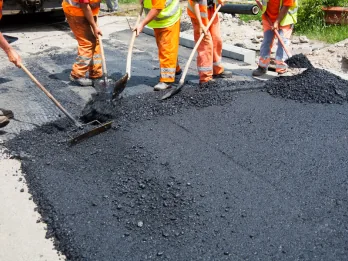
A new layer of asphalt over the existing pavement. You are not paying to remove the old surface, rebuild the base or haul material away, which is where a large share of a replacement bill goes. Done properly — with the failures repaired and the cracks sealed first — you cannot tell a resurfaced drive from a new one.
Signs the base is probably still fine
Cracking that is widespread but the surface is not moving. Faded, grey, tired-looking pavement. Surface raveling. Isolated potholes in otherwise firm pavement. The surface is worn out; the structure under it is doing its job.
Signs the base has failed
Alligator cracking — that interconnected, scaly pattern — is the classic tell, and it means the layer below has given up. So does pavement that flexes or feels spongy when a vehicle rolls over it, sections that have sunk relative to their surroundings, and areas that pump water up through the cracks after rain. An overlay over any of that will reflect the same failures back through the new surface within a year or two.
The bit you cannot see from a photograph
Drainage. If water has nowhere to go, whatever you put down is on a clock. Standing water on a surface after rain, a low spot that never dries, or a shoulder washing out beside the pavement all mean the drainage has to be part of the scope. Sealing and patching around a drainage fault is money spent twice.
Why we assess for free
Because you genuinely cannot make this call from the kerb, and because the answer decides a number with a big difference between its two options. We come out, walk the pavement, and tell you which one you have. Sometimes the answer is that it needs neither yet.
Free assessment, no obligation. Call (434) 443-8035 and we will tell you which of the two you are looking at.