
The mechanism, in order
Water gets into the pavement through a crack or an unsealed surface. It freezes and expands, levering the material apart from the inside. It thaws, leaving a slightly larger void, and more water gets in. Repeat that through a winter and the pavement around the void is broken up but still in place. Then traffic pulls the loose material out, and now you have a hole.
Why late winter, and not December
It is the number of crossings that matters, not the depth of cold. A region that freezes in November and stays frozen gets one cycle. A Virginia winter that drops below freezing at night and climbs above it by afternoon can run dozens, each one doing a little more. By February the pavement has been through the whole sequence and the holes arrive more or less at once, which is why it feels sudden.
Why potholes come back in the same spot
Because the hole was the symptom. If a section keeps failing every year, something is feeding it water — a drainage fault, a low spot, a bad joint, a failed base under that particular area. Filling it annually forever is a legitimate choice, but fixing the cause is usually cheaper across five years.
The prevention is unglamorous and it works
Crack sealing and sealcoating. That is genuinely it. Both are about keeping water out of the pavement, and water is the first link in the chain — break that and the freeze has nothing to work on. Regular maintenance prevents potholes and prolongs the life of the asphalt overall, and it costs a fraction of the repairs it avoids.
If you already have them
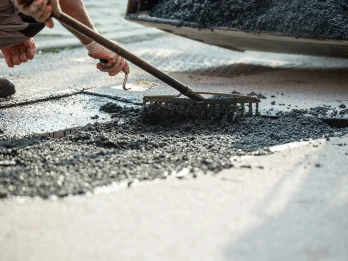
Get them patched, particularly on anything the public walks or drives across. Potholes pose serious risks to drivers, pedestrians and cyclists — vehicle damage, accidents and trip hazards — and on a commercial property that is a liability sitting in your car park with your name on it.
Got holes opening up? Call (434) 443-8035. We will patch what is there and tell you what is causing it.